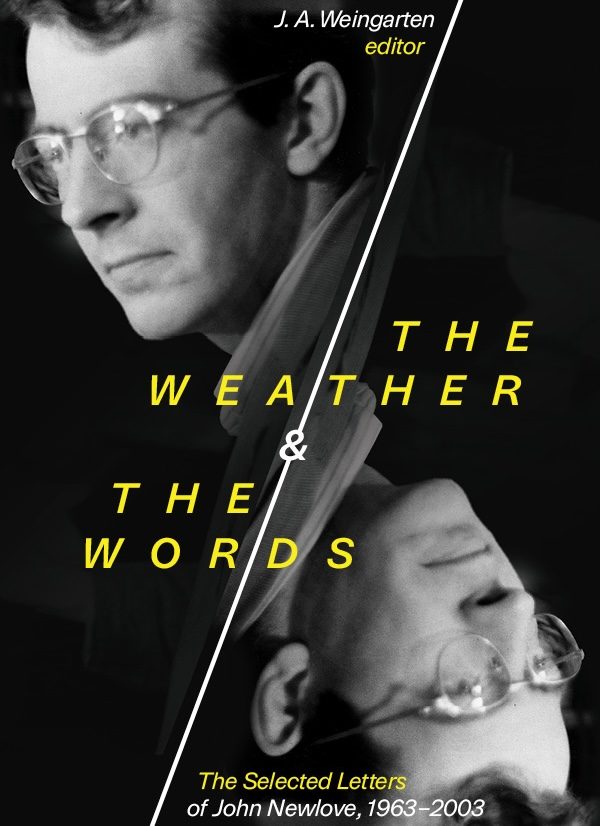
The Weather and the Words: The Selected Letters of John Newlove, 1963-2003, gathers hundreds of never-before-seen letters from the poet John Newlove’s archives and sheds light on an author who was, to many Canadian writers, a literary master. Despite his stature during his lifetime, Newlove has been largely forgotten, and these letters remind readers of what an influential, compelling, and combative figure he was in Canadian literary history.
Newlove lived and wrote during a time when Canadian writers were well-funded, widely read, and members of thriving literary communities. By the time he died in 2003, that culturally prosperous era had ended. Something else had changed, too: the practice of letter writing began to disappear as email replaced mailed correspondence. Telling the story of Newlove’s life, The Weather and the Words pays tribute not just to this one remarkable poet, but also to a remarkable era in Canadian history and the lost art of letter writing, the medium through which writers, politicians, and other public figures fought, collaborated, conferred, and philosophized about art and culture throughout the twentieth century.
In Newlove’s correspondence readers will find a compelling story about the incredible difficulty of establishing a literary career and raising a family while struggling with poverty, addiction, and mental health issues. Through colourful letters Newlove exchanged with Canadian writers such as Margaret Atwood, Susan Musgrave, Michael Ondaatje, Al Purdy, and numerous others, The Weather and the Words gives readers a ground-level view of Newlove’s life and era. The book includes a foreword by Lorna Crozier, an introduction by editor J.A. Weingarten, and an afterword by Laura Cameron.
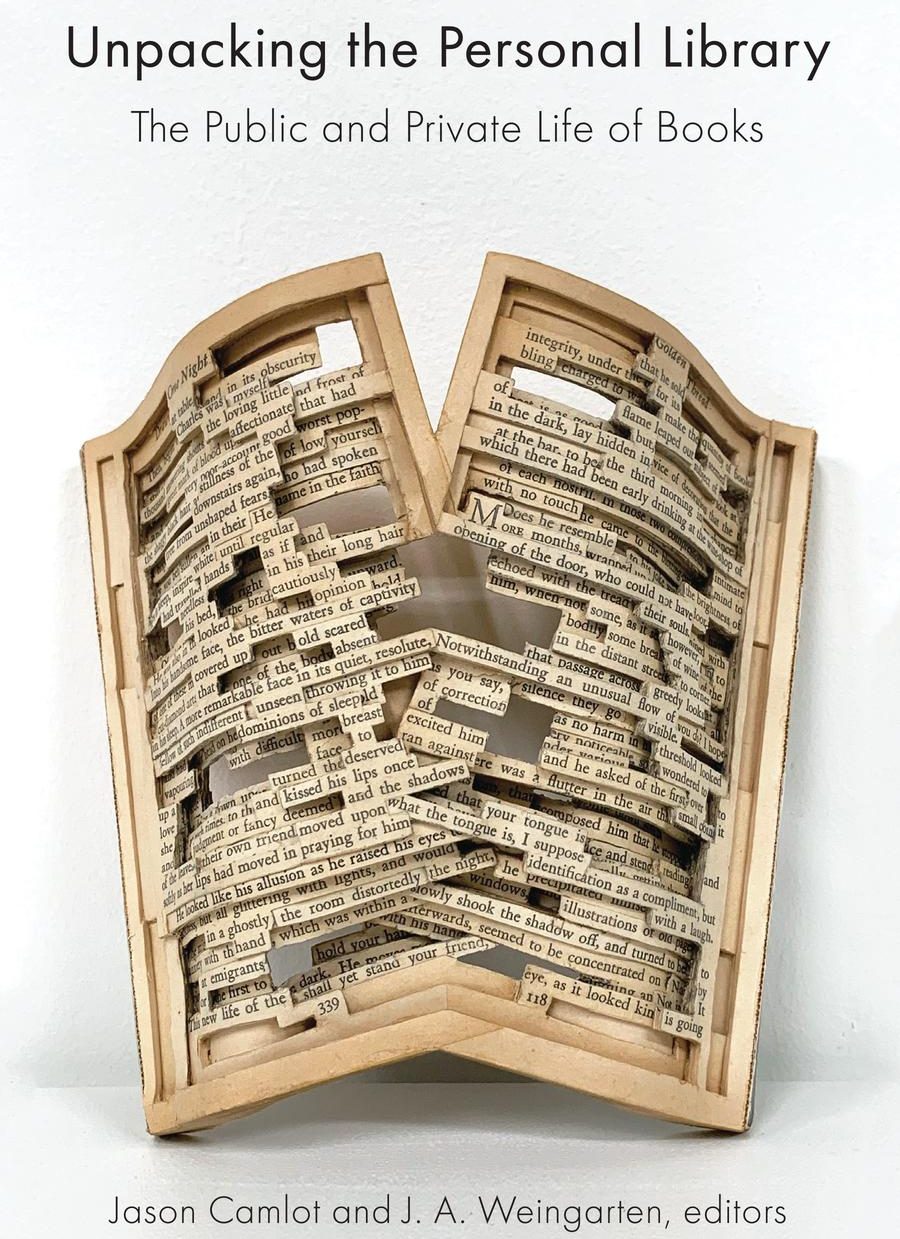
Unpacking the Personal Library: The Public and Private Life of Books is an edited collection of essays that ponders the cultural meaning and significance of private book collections in relation to public libraries.
Contributors explore libraries at particular moments in their history across a wide range of cases, and includes Alberto Manguel’s account of the Library of Alexandria as well as chapters on library collecting in the middle ages, the libraries of prime ministers and foreign embassies, protest libraries and the slow transformation of university libraries, and the stories of the personal libraries of Virginia Woolf, Robert Duncan, Sheila Watson, Al Purdy and others. The book shows how the history of the library is really a history of collection, consolidation, migration, dispersal, and integration, where each story negotiates private and public spaces.
Unpacking the Personal Library builds on and interrogates theories and approaches from library and archive studies, the history of the book, reading, authorship and publishing. Collectively, the chapters articulate a critical poetics of the personal library within its extended social, aesthetic and cultural contexts.
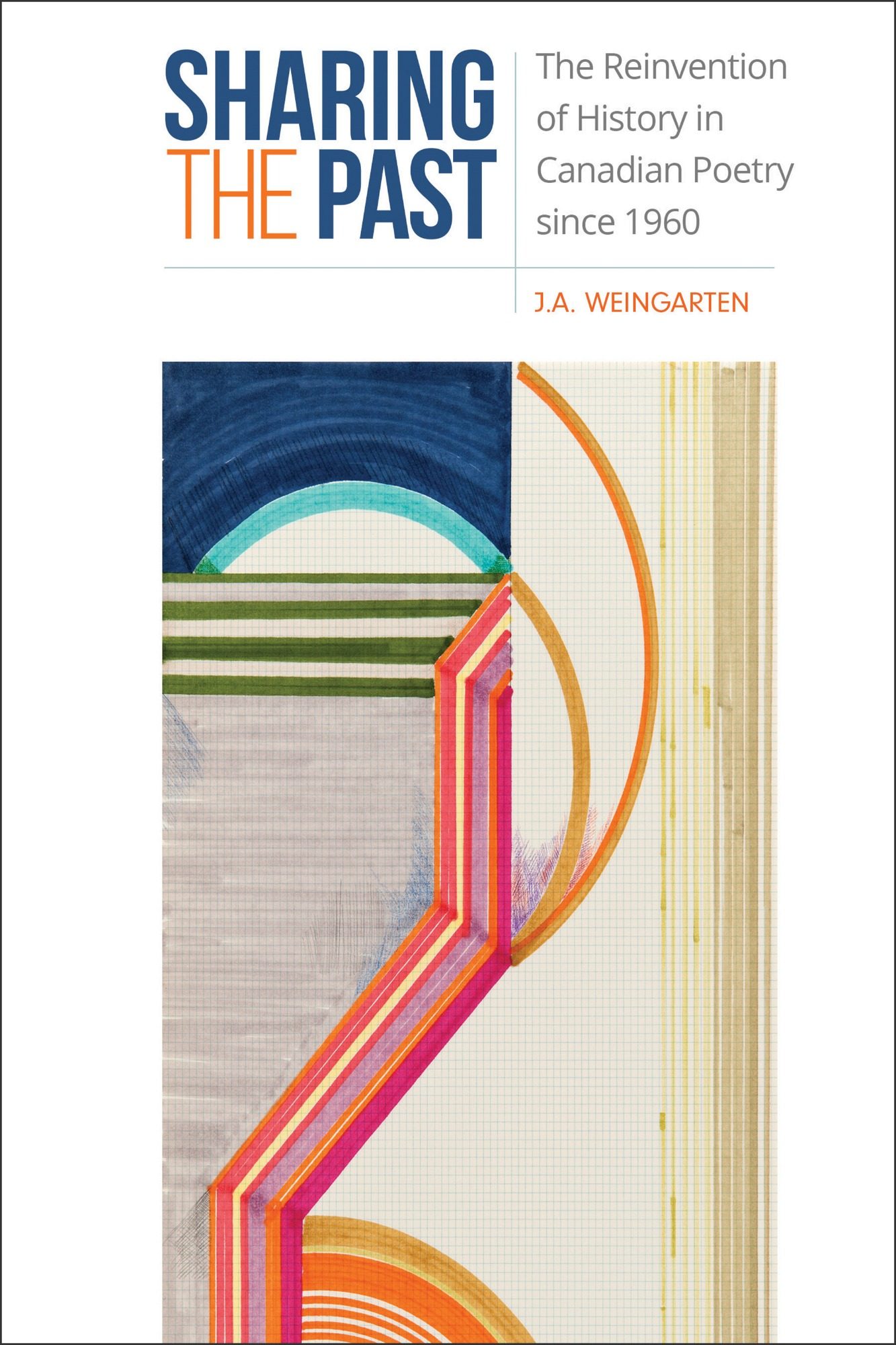
Sharing the Past examines the ways in which Canadian poets collaboratively nurtured the rise of social history as a discipline of historical study.
Sharing the Past is an unprecedentedly detailed account of the intertwining discourses of Canadian history and creative literature. When social history emerged as its own field of study in the 1960s, it promised new stories that would bring readers away from the elite writing of academics and closer to the everyday experiences of people. Yet, the academy’s continued emphasis on professional distance and objectivity made it difficult for historians to connect with the experiences of those about whom they wrote, and those same emphases made it all but impossible for non-academic experts to be institutionally recognized as historians.
Drawing on interviews and new archival materials to construct a history of Canadian poetry written since 1960, Sharing the Past argues that the project of social history has achieved its fullest expression in lyric poetry, a genre in which personal experiences anchor history. Developing this genre since 1960, Canadian poets have provided an inclusive model for a truly social history that indiscriminately shares the right to speak authoritatively of the past.